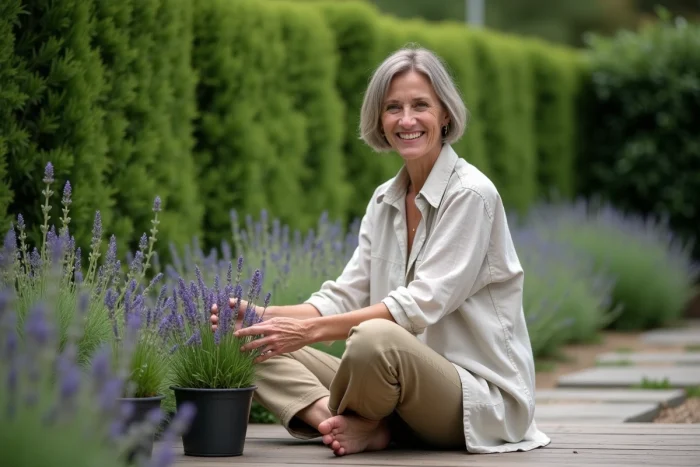
In 2023, more than 60% of outdoor space owners have modified their garden layout to improve their quality of life, according to a European study. Yet, the majority of landscaping projects fail due to poor plant choices or planning that does not suit daily use.
Landscape schools rarely hesitate on the way forward: some advise integrating dedicated relaxation areas from the initial plans, while others prefer to focus on smooth circulation and the modularity of spaces. What makes the difference is a rethought organization, a selection of plants that are resilient to the local climate, and a keen eye on the needs that will evolve over the years. Bringing these elements together means giving oneself the means to establish a sustainable balance in one’s outdoor space.
Why turning your garden into a calming refuge changes lives
Transforming your garden into a true haven of peace goes beyond visual appeal. A space designed for relaxation acts as a concrete lever on daily balance: less tension, more serenity, and undeniably improved quality of life. Research on mindfulness gardens reveals measurable effects: reduced stress, overall well-being. Ark Redwood, a key figure in sensory gardening, reminds us how a layout dedicated to awakening the senses promotes meditation and offers a welcome break from ambient noise.
The perspective of the landscaper takes on its full meaning here. This professional scrutinizes lifestyle habits, guides towards the most suitable plantings, imagines the arrangement of convivial corners, and plans customizable resting areas. Drawing inspiration from feng shui allows for thinking about circulation, light, or materials, always in search of harmony between water, wood, fire, earth, and metal. Juliet Sargeant, a renowned designer, emphasizes the influence of the sound of a fountain or pond, which, over the seasons, establishes a meditative and balanced atmosphere.
Beyond the added value to the home, a well-designed garden rethinks the relationship to oneself and the immediate environment. Installing a green oasis, creating a sensory corner, opens the door to mindfulness. To go further, resources such as access the Ambiance Jardin website share inspiring ideas and expert advice for those wishing to make their outdoor space a calming refuge.
What atmospheres and elements to prioritize to instill serenity
The choice of a theme shapes the perception of the entire space. To cultivate a peaceful atmosphere, it is essential to balance vegetated areas and structural elements. Multiplying shapes and colors, combining hedges, flower beds, and meadows, encourages biodiversity and gives the garden a changing vitality throughout the seasons. Plants do more than beautify: they provide shade, scent the air, structure spaces, and attract birds or pollinators.
Water is essential. The gentle sound of a fountain or the shimmering of a pond creates a climate of freshness and invites relaxation. According to Juliet Sargeant, placing water at the center of the garden, whether zen or Mediterranean, gives a backbone to the composition and encourages contemplation. The terrace, designed with composite wood or stone, then becomes the natural extension of the home, balancing conviviality and suspended moments.
Outdoor equipment also deserves special attention. Choosing comfortable and durable furniture changes the daily experience. A pergola provides ideal shade for reading or napping, while modular screens and hedges define the space and preserve privacy. Discreet yet carefully distributed lighting extends evenings and multiplies atmospheres: garlands, solar lanterns, all contribute to a warm ambiance. Contemporary lines or generous vegetation, each garden reflects in its own way the personality of those who inhabit it.

Concrete tips to turn dreams into reality in your garden
Creating a haven of peace requires concrete choices, adapted to the terrain, sunlight, and habits. To shape a garden that is as beautiful as it is pleasant to live in, start by selecting plants that match the climate and the nature of your soil. Diversifying species, hedges, flower beds, and meadows stimulates biodiversity and reduces reliance on chemical products.
Adopting rainwater harvesting and installing automatic irrigation allows for maintaining the garden while limiting water consumption. A well-thought-out system ensures the survival of plantings during dry periods and frees up time to fully enjoy the outdoors. Installing some feeders and water troughs attracts birds and small mammals: the presence of a hedgehog, for example, helps naturally control slugs and unwanted insects.
For those with limited space, there are ingenious solutions: green walls, modular planters, foldable furniture. Well-considered lighting reveals the contours and extends the ambiance late into the evening. Consulting a landscaper can facilitate project structuring, optimize movement, and harmoniously integrate ponds, terraces, or other key elements.
Here are some ideas to make your garden more vibrant and welcoming:
- Select robust species that require little maintenance
- Encourage a mix of shapes and colors to mark the seasons
- Preserve refuge areas for local wildlife
The garden, envisioned as an additional living space, then becomes the place where one reconnects with nature and loved ones. The seasons pass, but serenity settles durably under the trees and around the flower beds, ready to welcome each moment of calm or sharing.