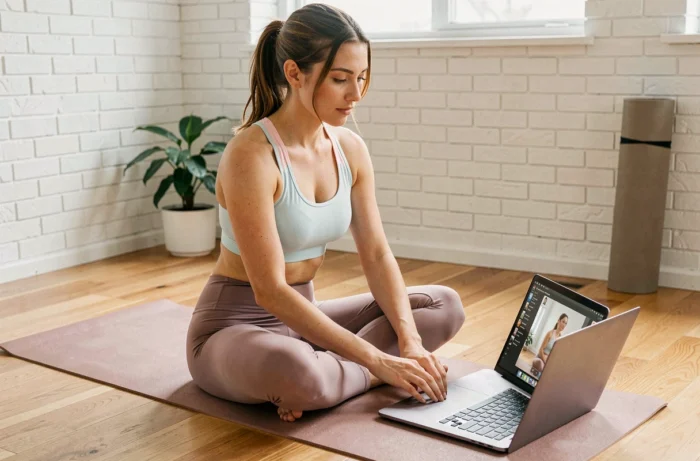
We want to get back into cardio, follow a strength training program, or simply find reliable yoga videos, and we come across dozens of platforms that all promise quality online sports coaching. In the face of this abundance, the real challenge remains to distinguish resources that rely on qualified supervision from those that offer sessions without any guarantee of seriousness.
Professional card of the online sports coach: a reliability criterion to check
When signing up for a fitness platform or purchasing a training program in video format, we look at the price, the number of sessions, and sometimes customer reviews. We almost always forget to check the qualifications of the person providing supervision.
In France, paid sports supervision requires a professional sports educator card, even when coaching is done via videoconference or digital follow-up. This obligation does not disappear just because the coach films their sessions from their living room.
To ensure this, we can check the professional card number that the instructor must display. A serious platform mentions it on each coach’s profile. If this information is missing, it is a warning sign, regardless of the number of subscribers to the profile.
Another point to watch for: the BPJEPS “Activities of the form” has been replaced by the BPJEPS APSF, with a decree dated July 29, 2025, formalizing this transition. New sessions under the old title can no longer open from October 1, 2026.
Platforms that still display the old diploma without an update deserve scrutiny regarding their rigor. You can find Free Sport’s sports resources to identify content organized by discipline with a minimum of transparency about the instructors.
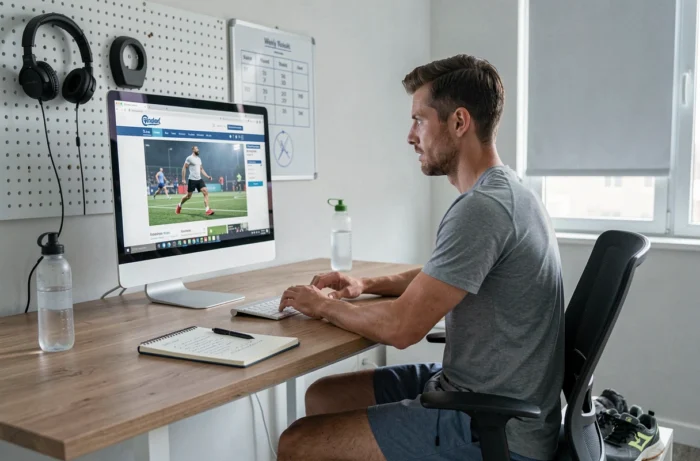
Health data and sports questionnaires: what GDPR imposes on platforms
Most online sports programs start with a questionnaire. You provide information about past injuries, medical conditions, and sometimes ongoing treatments. This information may seem harmless in a sports context. It is not at all harmless from a legal standpoint.
Information about injuries and medical conditions is considered health data under Article 9 of the GDPR. Their collection requires a specific legal basis, particularly explicit consent. A platform that requests these details without a clear privacy policy or mention of health data processing is operating outside the legal framework.
Specifically, before filling out a questionnaire on a fitness app or coaching website, we check three things:
- The platform displays a privacy policy that explicitly mentions the processing of health data, not just generic personal data.
- Consent is collected separately for health data (a distinct checkbox, not a global consent buried in the general terms).
- The data is not shared with third parties without prior information, especially for advertising or commercial profiling purposes.
If none of these protections are visible, feedback on the actual reliability of these platforms varies, but caution is still advised.
Free or paid sports apps: concrete selection criteria
There are apps like Nike Training Club, FizzUp, or Adidas Training that offer bodyweight training programs, no equipment needed. The free offer is often sufficient to get started. Paid versions generally add personalized follow-up, multi-week plans, and access to a coach.
The real selection criterion is the adaptability of the program to your actual level. An app that offers the same circuit to a beginner and to a regular practitioner is not worth the time spent on it. Interesting programs include an initial test (number of push-ups, plank time, flexibility) to calibrate the difficulty.
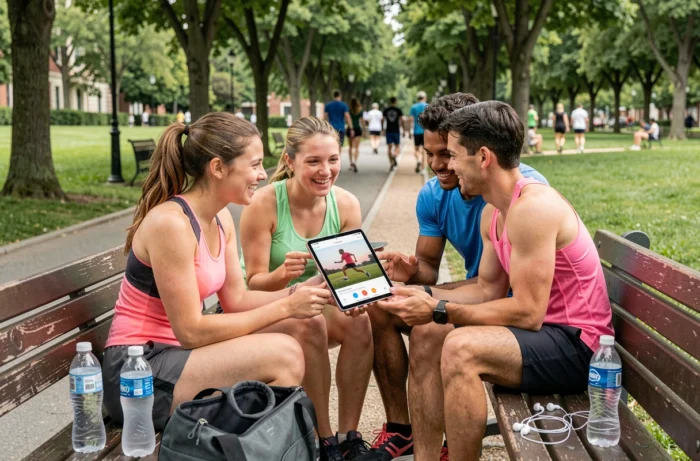
Another often overlooked point: the quality of exercise videos is as important as the program itself. A poorly chosen camera angle on a squat or deadlift movement can lead to poor posture. The best online sports resources film each exercise from multiple angles, with verbal indications on common mistakes.
Online sports club programs: an underestimated alternative
Several clubs and federations now offer video content accessible to their members, even publicly available. You can find rugby, football, or fitness sessions supervised by qualified instructors, often filmed in realistic field conditions.
The advantage over mainstream apps lies in the technical specificity. A rugby club that posts exercises for defensive tackling or kicking offers content that Nike Training Club will never cover. For practitioners of a specific sport, these resources are often more relevant than a general fitness program.
Online training and connected objects: what really changes the practice
Connected watches and sensors add a layer of data to online training. Heart rate, heart rate variability, sleep quality: these indicators allow for adjusting the intensity of sessions on a day-to-day basis.
The real interest of connected objects lies in the prevention of overtraining. An online program that does not take into account your fatigue level pushes you to continue sessions even when your body is asking for rest. Platforms that integrate data from sensors can automatically adjust the load.
The sport tech market is rapidly structuring around this convergence between digital coaching and biometric data. Platforms that only offer static videos without any personalization risk losing relevance compared to those that leverage these technologies.
Choosing an online sports resource means applying the same reflexes as when choosing an in-person coach: check the diploma, understand what you are signing, and ensure that the program adapts to you, not the other way around. A platform that displays the qualifications of its coaches, protects your health data, and adapts its programs to your level ticks the boxes that really matter.