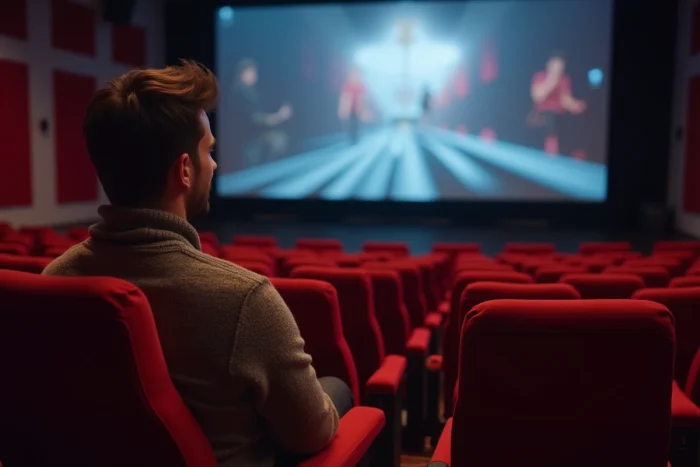
A 30-second spot broadcast in all major French cinemas does not necessarily reach the peak pricing of television, while allowing for unprecedented local targeting. However, behind the numbers, the reality of prices fluctuates significantly: the season, the message, or the selection of theaters can raise or lower the cost, sometimes by a factor of three.
To this already shifting landscape, some distributors add unexpected technical fees. The production costs, often unknown, surprise many advertisers. The price difference between an advertisement aired before a blockbuster and a spot scheduled on a Tuesday night in a more discreet theater illustrates a market with sometimes opaque rules, far from preconceived notions.
What the cost of a cinema advertisement really covers
The cost of a cinema ad is never limited to purchasing a slot before the screening. Behind each spot projected on the big screen, a whole chain of professionals comes into play: directing, production, post-production, not to mention the in-theater distribution. Several factors shape the final amount, starting with the quality of the video and the complexity of the project.
Here are the items that make up the bill for a cinema advertisement:
- Shooting: equipment rental, payment for the director of photography, fees for actors, on-site logistics. An animated spot in motion design or an advertisement filmed over several days generates very different needs.
- Post-production: editing, color grading, adding a voice-over or original music, technical adaptation to meet cinema standards. Each artistic or technical choice can influence the overall budget.
- Distribution costs: distribution of the DCP (Digital Cinema Package), quality control, distribution fees depending on the number of theaters, the targeted period, and the geographical area.
The choice of format, from a short spot to a narrative sequence, determines the minimum budget. Some prioritize simplicity, while others aim for a cinematic experience, with actors, sets, and advanced post-production. Additionally, there may be costs for a custom voice-over, an original soundtrack, or technical adjustments required by theater operators.
Every parameter matters in the overall equation. Savvy advertisers scrutinize each of these items to accurately assess the budget to be planned, both in production and distribution.
What are the production and distribution rates to expect in France?
The price of a cinema advertisement in France is divided into two parts. First, the production: creating a video dedicated to the big screen requires specific expertise. Starting from 5,000 euros, it is possible to produce a very simple advertising film. However, as soon as one aims for a polished production, with an experienced team, actors, and real sets, the range quickly rises: from 15,000 to 70,000 euros depending on the creative ambition, duration, and complexity of the shoot. The motion design or animation option can reduce the bill, but the cost will then depend on artistic choices and technical constraints.
Next comes the distribution. Prices vary significantly depending on the geographical area, the season, the number of theaters, and the duration of the spot. A national campaign, running for two weeks in Parisian cinemas, ranges from 5,000 to 30,000 euros to reach a broad audience. For local distribution, in Lyon or major cities, prices range from 1,500 to 8,000 euros, depending on the period and the density of the relevant complexes. Technical fees are added: DCP format, quality control, management of copies to be delivered to theaters.
Some advertisers rely on the GRP (Gross Rating Point) to precisely measure the audience reached and adjust the investment. The more refined the targeting, the more effective the campaign becomes, but the cost per contact also evolves. Cinema remains a medium of impact, where every second on screen weighs in the budget balance.

Key factors and tips for optimizing your cinema advertising budget
Anticipating the cost of a cinema advertisement involves monitoring several variables. The first alert: the nature of the project. A spot designed in motion design can sometimes reduce shooting and logistics costs, especially when managing a team or involving an experienced director of photography increases expenses. Focusing on a short and impactful format, tailored for the dark room, avoids overloading post-production, voice-over mixing, or music creation.
A segmented production strategy, targeted at a specific geographical area, becomes an effective lever for controlling investment. A local media plan, thought out from the start, limits costs associated with national distribution. Carefully choosing screenings, days, or targeting less busy periods directly influences the price of advertising spaces.
Some levers to rationalize costs:
- Plan technical needs from the conception of the spot: choose the format, duration, integrate the voice-over or original music from the start.
- Allocate a realistic minimum budget for post-production, often overlooked in advertising projects.
- Build a tight and expert team, capable of managing the production of the spot without multiplying intermediaries.
- Consider reusing content on other platforms, especially social media, to maximize the initial investment.
Taking the time to analyze in detail the factors that influence cost, complexity, duration, artistic choices, proves decisive for any leader or communicator seeking an effective and financially controlled campaign.
Cinema is not just a giant screen: it is a demanding playground, where every euro invested must resonate in the darkness, in line with the ambition of the projected message. The question is no longer whether the theater is accessible to advertisers, but how to make the light shine on the right screen, at the right time.