
A simple variation in stiffness in a sole can change everything: it can provide lasting relief for the back or, conversely, exacerbate joint pain. Behind timeless silhouettes, some historic brands today utilize materials born from medical research, not just tradition. The market no longer clearly opposes style to functionality; new collections play with blurring the boundary. Yet, choosing the right pair never follows a universal recipe. Foot morphology, lifestyle, specific expectations: the selection criteria often prove to be much more complex than one might imagine.
Scholl and Birkenstock: two philosophies of orthopedic comfort tested by daily life
When it comes to orthopedic comfort, the comparison between Scholl and Birkenstock shoes is essential. Two approaches, two worlds, two ways to consider foot relief throughout a busy day. Scholl relies on a clinical heritage, informed by research in podiatry. Each model aims to adapt to sensitive feet, focusing on an arch designed to distribute pressure and correct imbalances. The materials, derived from biomechanics, emphasize lightness and flexibility, but also effectively absorb shocks.
In contrast, Birkenstock embraces a precise minimalism. The German brand offers cork and latex soles, known for their ability to gradually conform to the unique characteristics of each foot. This custom molding, reinforced by strong arch support, promotes a natural posture, appreciated by those who spend long hours on their feet. The natural materials, chosen for their durability and environmental respect, position the brand within a sustainable fashion approach.
The dilemma is not merely a matter of appearance. It involves identifying one’s needs: enhanced support during a recovery phase, cushioning for long walks, suitable support for flat or fragile feet. Active individuals seeking to combine comfort and aesthetics will find concrete references here, designed for their real demands. The variety of models, the selection of materials, and the precision of orthopedic support fuel a debate that far exceeds mere trend effects.
What criteria should you prioritize to find the shoe suited to your specific needs?
Determining the ideal pair is not just a matter of taste. Foot morphology, daily usage, comfort expectations: everything counts. For those with flat feet, arch support remains central. The internal design, choice of materials, and quality of fit directly impact well-being over the hours.
Here are the main criteria to consider in your reflection:
- Foot type: wide, sensitive feet or those with specific issues, each morphology calls for models adapted to its realities.
- Usage: do you walk all day or alternate between moving and prolonged standing? Shoes dedicated to orthopedic comfort, especially in professional contexts, help limit muscle fatigue.
- Style and practicality: sneakers, sandals, clogs… The chosen model depends on the context, aesthetic desire, and ease of slipping on the shoe. For women, the offering is reinventing itself, combining elegance and functionality.
- Value for money: it’s not just about the displayed price, but about investing in durable materials that are easy to maintain and resistant to wear. The true criterion is comfort over time and foot health.
Testing the shoe remains essential: the model should conform to the shape of the foot, provide stable support without rigidity, and allow the foot to breathe. The most relevant approach remains individualized, attentive to specific needs and the prevention of chronic pain.
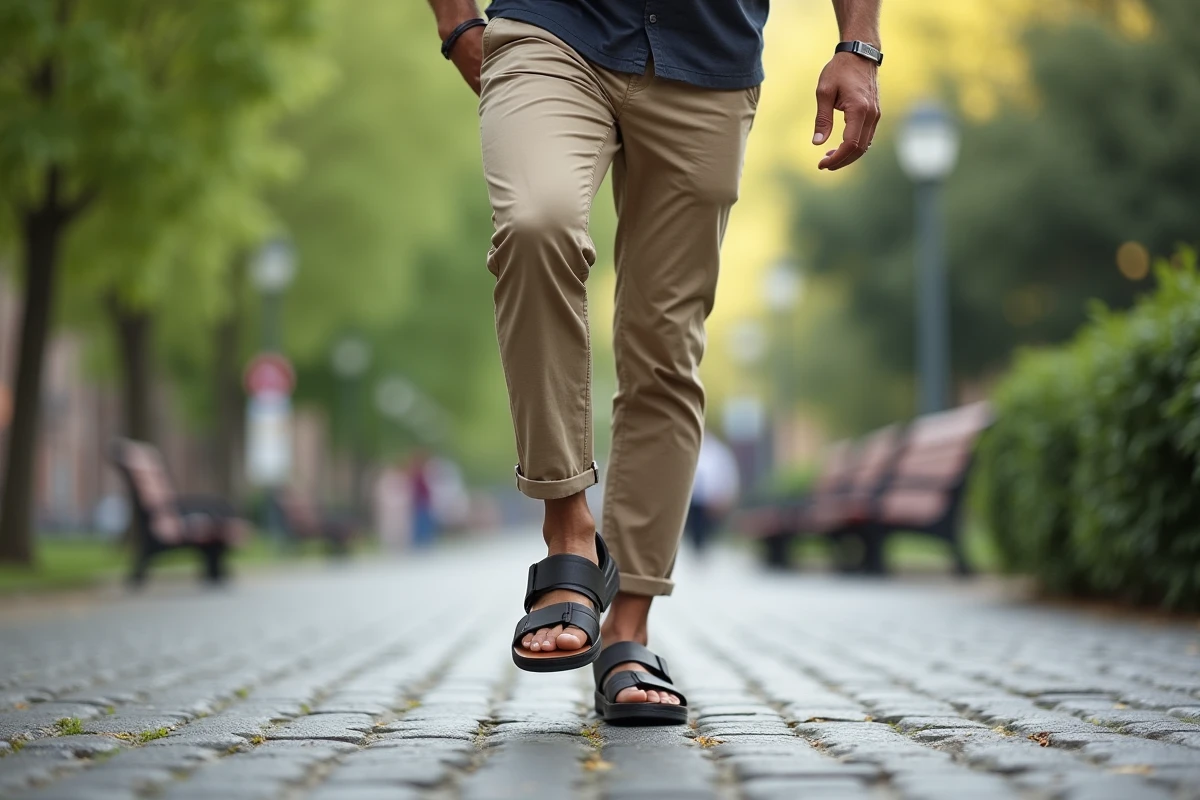
Practical tips and trends: how to choose orthopedic shoes, even with flat feet
For those with flat feet, choosing a good orthopedic shoe is no longer just about balancing comfort and appearance. Models designed to support the arch now feature sleek lines, technical materials, and adaptability that no longer exclude any style requirements. Relying on foot morphology, but also on actual usage—standing jobs, recovery, regular walking—guides you toward the best-suited pair.
Here are some concrete pointers to make the right choice:
- Arch support: look for models offering firm support, an anatomical sole, and well-distributed cushioning.
- Easy maintenance: prefer washable materials, breathable leathers, or technical fabrics that extend the shoe’s lifespan while maintaining hygiene for sensitive feet.
- Sustainable fashion: prioritize pairs designed to last, repairable, and produced with responsible criteria. Durability becomes an essential criterion for daily comfort.
For women, the trend leans towards streamlined models, sometimes minimalist, that can harmonize with all styles without compromising on comfort. Sandals, clogs, sneakers: each shape finds its place, even for fragile or demanding feet. To choose wisely: always try on both feet, check the ease at the instep, and prefer a shoe that supports the natural movement of walking. It is this combination of style, support, and practicality that defines true comfort, the kind that accompanies every step, day after day.